Visualizzazione post con etichetta MASTERPIECES. Mostra tutti i post

venerdì 9 agosto 2013

Louis Kahn: monumentalità e spiritualità per un’architettura senza tempo

Louis Kahn
Tra i maggiori esponenti dell’architettura del XX secolo, Louis Kahn fa senz’altro categoria a sé, come avviene per i più grandi maestri d’ogni tempo. Sebbene ad oggi i riconoscimenti alle sue opere levino ogni dubbio circa l’importanza del suo lavoro come progettista, egli non raggiunse mai la popolarità di Le Corbusier, Walter Gropius e Mies van der Rohe, i nomi più blasonati del Movimento Moderno. Perché ? 

giovedì 8 agosto 2013

Louis Kahn: monumental and timeless architecture

Louis Kahn
Among the greatest architects of the XXth century, Louis Kahn makes his own path, as it happens for every major personality of all time. Despite today his legacy and awards are doubless, he never caught up the fame of the main Modern Movement leaders such as Le Corbusier, Walter Gropius and Mies van der Rohe. Why ? 

sabato 8 giugno 2013

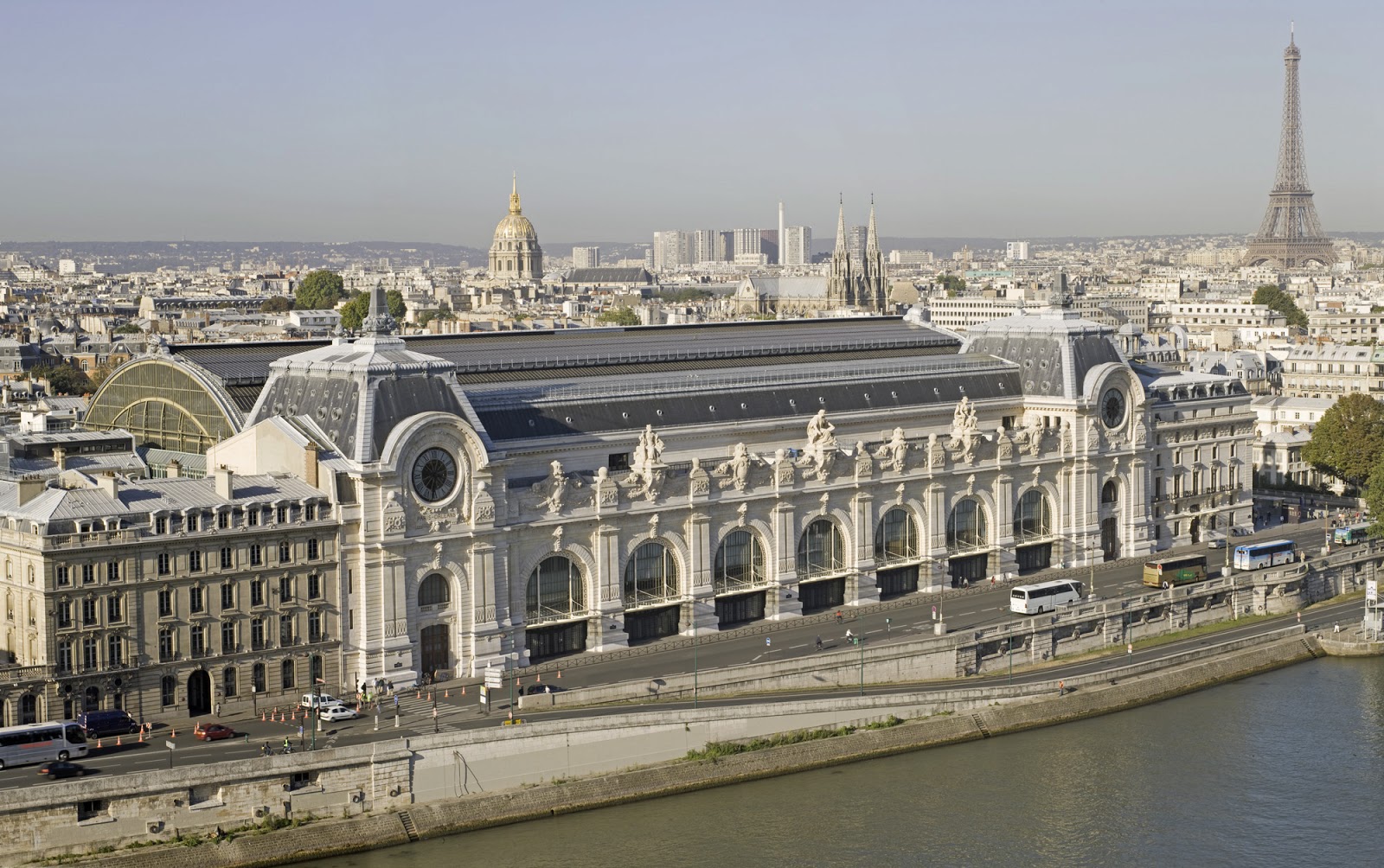
Musée d'Orsay, Parigi

Musée d'Orsay, 5 Quai Anatole France, Parigi

All’esterno un’imponente e sfarzosa stazione ferroviaria di fine ‘800, all’interno un museo d’arte moderna dedicato all’arte del “secolo d’oro”. Le meravigliose opere di Monet, Manet, Renoir, Gauguin, Degas, Toulouse-Lautrec, Cezanne, Van Gogh sono solo alcuni tra i capolavori che si possono ammirare al Musée d’Orsay, museo della capitale francese riservato appunto alle “creazioni artistiche del mondo occidentale dal 1848 al 1914” nelle arti figurative, scultura e design. Cornice degna della grandezza di tali opere è l’architettura contemporanea frutto della magistrale opera di restauro che trasformò la Gare d’Orsay, antica stazione parigina, nell’attuale museo.

Musée d'Orsay, Paris

Musée d'Orsay, 5 Quai Anatole France, Paris

From the outside it stands just like an impressive and gorgeous railway station of the late ‘800, from the inside it reveals a museum of modern art dedicated to the “golden century”. Great masterpieces by Monet, Manet, Renoir, Gauguin, Degas, Toulouse-Lautrec, Cezanne, Van Gogh are only some of a number of other amazing pieces of art displayed at Musée d’Orsay, the French capital museum collecting the “artistic creations of western world between 1848 and 1914” regarding art, sculpture and decorative arts. Framework of such a great masterpieces is the contemporary architectural restoration as the result of the excellent makeover that turned the Gare d’Orsay into the current museum. 

sabato 16 febbraio 2013

Architettonicamente scorretto ?


La casa al contrario - Teferns, Austria
Se è vero che ogni architettura nasce per soddisfare un’esigenza – funzionale, estetica, rappresentativa e, ci si augura, un mix di tutte queste – e se è vero che chi ne usufruisce sono poi le persone – e non tanto i progettisti – assume fondamentale importanza il giudizio che, dalle menti al passaparola, arriva a depositarsi sul manufatto architettonico. E’ giusto che sia così, se ammettiamo che il fare architettura sia un mestiere reale! E’ giusto confrontarsi con l’esito che l’architettura ha prodotto, in termini di gradimenti più o meno condivisi, fermo restando che, dal mio punto di vista, è compito del progettista apportare sempre una giusta dose di innovazione poiché è questa che può arricchire l’esperienza e la fruibilità di ogni opera edilizia.

In che modo quindi l’innovazione architettonica si incontra e scontra con il giudizio “popolare” e viene più o meno accolta? Come reagiamo dinanzi all’inconsueto, fatto di spazi, tecnologie, materiali nuovi ?

Architecturally incorrect ?


Upside down house - Teferns, Austria
If it’s true that every architecture is to address a functional, esthetic, representative function - and hopefully a mix of them all – and if it’s true as well that those who make use of it are people – and not the designers that much – it has a fundamental importance their judgment, from minds to word of mouth, which rebounds on the piece of architecture. It seems quite fair though, if we admit that designing is a real job! There has to be a dealing with the real design results in terms of more or less approvals. Nevertheless, I believe it is a designer’s job always adding a fair amount of innovation as it can benefit both the experience and the usability of every building work. 

How then does the architectural innovation meet and clashe with the public judgment and how is it more or less understood by people ? How do we react to the unusual made up of new spaces, technologies and materials?